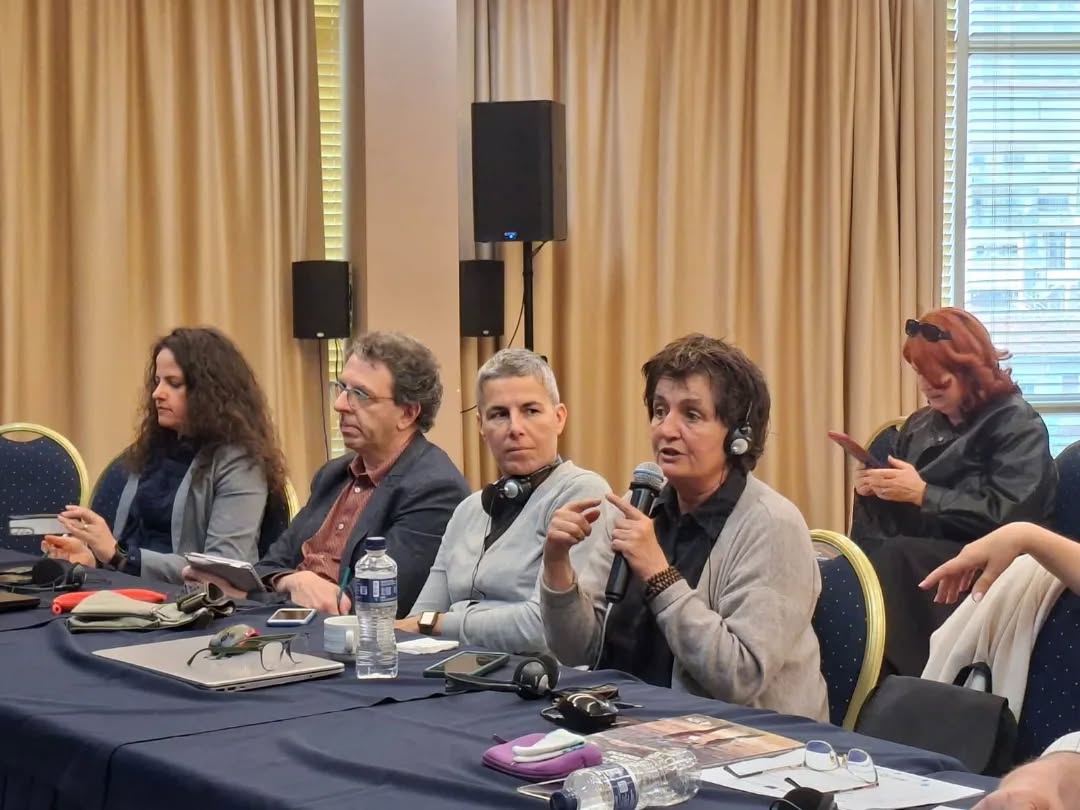

As part of the COASTRUST project, three consultative meetings were held in Shkodër in April and May 2026 to gather stakeholder feedback on the draft Coastal Stewardship Strategy and Action Plan for the Buna–Velipojë pilot area.
The meetings involved different stakeholder groups, including fishermen and community representatives, national and local institutions, agencies, NGOs and international experts. Through presentations and participatory discussions, participants reviewed the draft strategy, discussed its priorities and proposed measures, and provided feedback to be incorporated into its revision.
Consultation with fishermen and community representatives – 9 April 2026
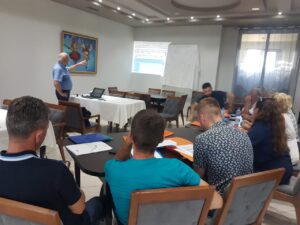
The first consultative meeting took place on 9 April 2026 in Vilu, Shkodër, bringing together representatives of local fishermen’s associations and community members. The meeting focused on the draft Coastal Stewardship Strategy and Action Plan and provided an opportunity for those directly engaged with coastal and marine resources to contribute their perspectives.
Following the presentation of the draft strategy, discussions addressed biodiversity monitoring, waste management, climate resilience and sustainable fisheries. Fishermen highlighted the importance of balancing livelihoods with conservation goals, while participants proposed measures including awareness campaigns, clean-up initiatives, monitoring programmes and stronger collaboration between fishermen’s associations and local institutions. The meeting concluded with an agreement to integrate stakeholder feedback into the revised draft strategy.
Consultation with key stakeholders – 16 April 2026
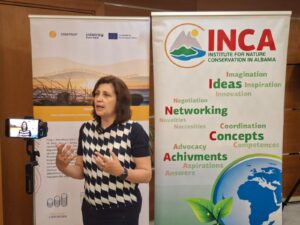
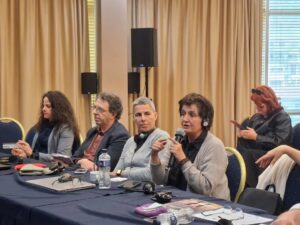
A second consultative meeting was held on 16 April 2026 in Shkodër, organised by the Prefect Institution of Shkodër County in cooperation with Institute for Nature Conservation in Albania (INCA). It gathered representatives from national and local institutions, agencies, NGOs and international experts to review the draft strategy and share experiences on stewardship practices.
The morning session included a presentation of the draft stewardship strategy for the Buna River/Drin Bay by Zamir Dedej, followed by Jordi Pietx, an international expert on maritime and coastal stewardship methodologies, who presented the participatory and adaptive approach to developing stewardship strategies. International experiences were also shared by Mariluz Parga (SUBMON), who presented examples of marine management related to cetacean monitoring and Posidonia conservation, and Cristina Sánchez (Catalan Conservative Network), who presented experiences from Catalonia related to land and river stewardship.
The afternoon session continued with an open discussion on the feasibility of the proposed measures and their adaptation to the Buna–Velipojë context. Participants highlighted biodiversity monitoring and habitat conservation, stronger waste management and pollution control, climate resilience measures addressing erosion and flooding, and the importance of participatory governance. They also stressed that international experiences should serve as guiding examples, while implementation should be rooted in local knowledge, community engagement and institutional capacity.
The meeting concluded with an agreement to integrate stakeholder and expert feedback into the revised strategy. Key recommendations included making biodiversity monitoring and conservation a central pillar of the strategy, strengthening collaboration among institutions, NGOs and communities, promoting sustainable fisheries and tourism practices, and developing awareness campaigns and educational initiatives to support long-term community engagement.
Consultation with NGOs and community representatives – 26 May 2026
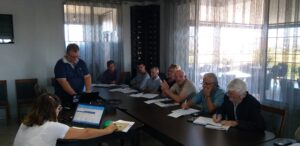
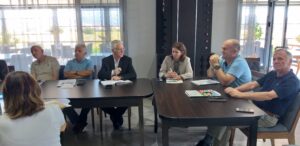
The third consultative meeting took place on 26 May 2026 in Shkodra. Organised by INCA, it brought together representatives of local NGOs, institutions and community groups active in the Buna–Velipojë Protected Landscape, to review the draft strategy and provide input on its priorities and measures.
Participants discussed biodiversity protection and monitoring, waste management and pollution control, climate resilience, community engagement and sustainable practices in tourism and fisheries. Proposed actions included awareness campaigns, clean-up initiatives, biodiversity monitoring programmes and stronger collaboration between NGOs and local institutions.
The meeting concluded with an agreement to incorporate stakeholder feedback into the revised draft strategy. Key recommendations included strengthening biodiversity monitoring and conservation, promoting sustainable tourism practices, reinforcing participatory governance and collaboration between NGOs and local institutions, and developing tailored awareness and educational initiatives to support community engagement.
Next steps for the Coastal Stewardship Strategy
Across the three consultative meetings, stakeholders addressed recurring priorities including biodiversity protection and monitoring, pollution and waste management, climate resilience, sustainable fisheries and tourism, community involvement and participatory governance.
The feedback gathered through the consultations will contribute to the ongoing revision of the Coastal Stewardship Strategy and Action Plan for the Buna–Velipojë pilot area, bringing together technical expertise with the perspectives and priorities of local stakeholders.